Maintenance
Contact Us

Routine maintenance catches developing issues-slow drains gaining buildup, water heaters accumulating sediment, supply lines showing early corrosion-before they become 2 a.m. emergencies with water spreading across floors. Clove Plumbing provides scheduled inspection and servicing that keeps Gilroy homes running efficiently: drain cleaning that removes grease and hair before clogs form, water heater flushing that clears mineral deposits reducing heat transfer, and pressure testing that identifies weak points in distribution systems. Most plumbing failures give warning signs weeks or months ahead if you know what to check and when to act.
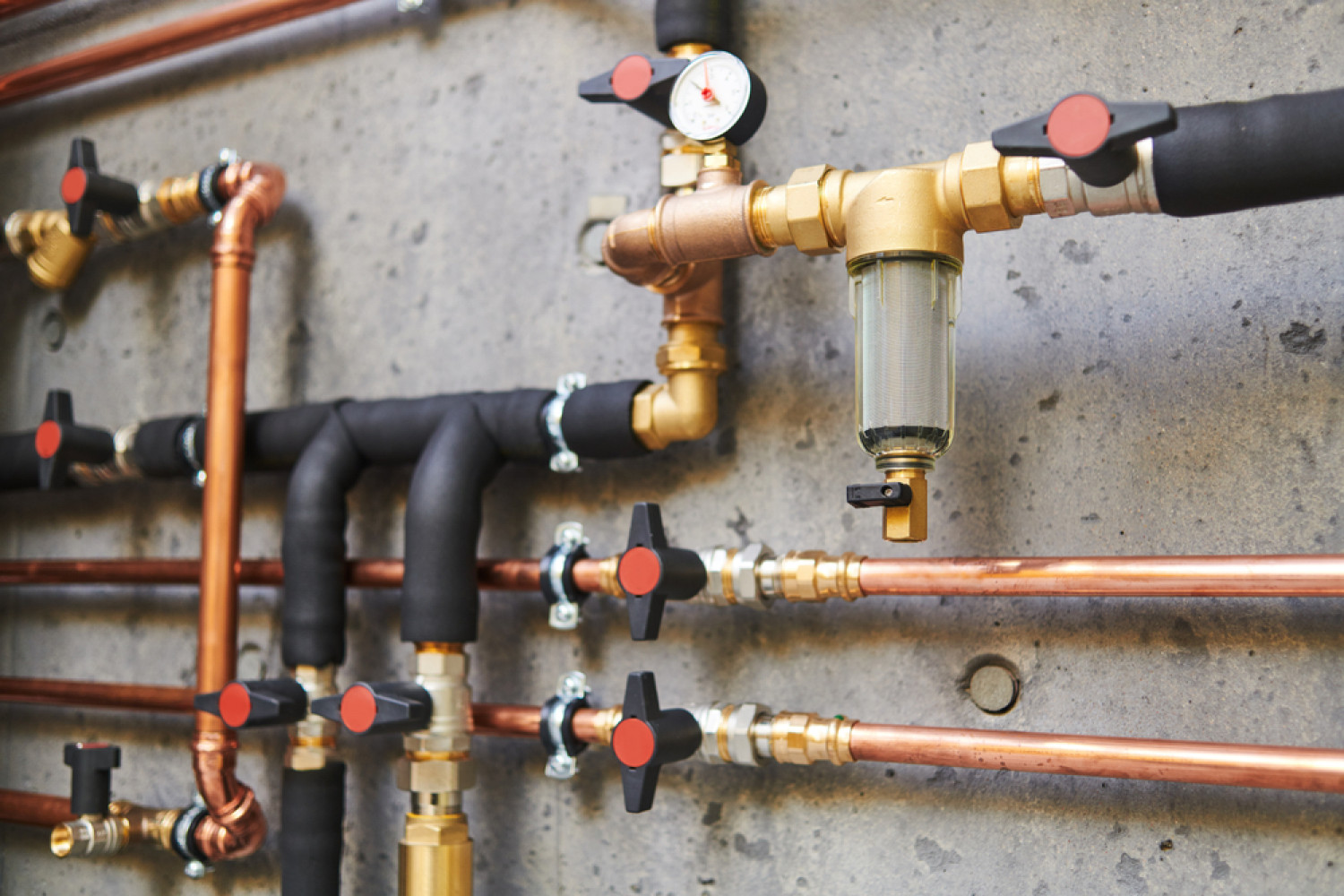
Preventative service includes inspecting exposed piping for corrosion or weeping joints, testing shut-off valves so they actually close when needed, checking PRV settings on water heaters, and running cameras through main drain lines to spot root intrusion or settling damage. Each visit documents system condition so you can track deterioration over time and plan replacements before failures occur.
Set up a maintenance schedule based on your home's age and plumbing system complexity to reduce the likelihood of costly emergency calls and water damage restoration.
Scheduled maintenance visits focus on high-wear components and hidden trouble spots. Drain cleaning removes buildup from kitchen lines where grease solidifies and bathroom drains where soap scum and hair accumulate. Water heater flushing drains sediment from the tank bottom before it insulates the heating element, forcing the unit to run longer and consume more energy. Pressure tests on supply lines reveal drops that indicate leaks inside walls or underground, and valve operation checks ensure emergency shut-offs haven't seized from disuse.
After a maintenance visit, drains flow faster because obstructions are cleared before they fully block, water heaters recover more quickly between uses as sediment no longer impedes heat transfer, and monthly utility bills often decrease as systems operate at designed efficiency. You also get documentation of current system condition-photos of corroded sections, measurements of pressure drops, notes on components nearing end of service life-so replacement decisions are informed rather than reactive.
Frequency depends on system age and usage patterns. Homes with older galvanized piping benefit from annual inspections to track corrosion progression. Properties with large trees near sewer lines need periodic camera inspections to catch root intrusion before drains back up. Water heaters in areas with hard water require more frequent flushing to manage sediment accumulation that occurs faster when dissolved minerals are high.