Gas Lines
Contact Us

Gas line work requires adherence to strict building codes and testing protocols because even small leaks create explosion or carbon monoxide risks. Juan's Plumbing installs new gas lines for stoves, tankless water heaters, outdoor grills, and other appliances, and troubleshoots existing lines when you smell gas, hear hissing near connections, or notice pilot lights that won't stay lit. New construction and appliance upgrades often require extending supply lines from the meter to locations where rigid black iron pipe or flexible CSST tubing wasn't previously run.
Installation begins with calculating BTU demand for each appliance, sizing pipe diameter to deliver adequate flow without pressure drop, and routing lines through walls or crawlspaces to termination points. Every joint is sealed with pipe dope or thread tape rated for gas, and connections are tested under pressure with soap solution or electronic sniffers before the system goes live.
Schedule a consultation to discuss appliance specifications and determine the safest route for new gas line installation or to diagnose suspected leaks in existing piping.
Installing a new line means verifying the existing meter and main supply can handle added load, then running appropriately sized pipe from a tee fitting on the existing system to the appliance location. Black iron pipe requires threading and sealing each joint; CSST flexible tubing simplifies routing through tight spaces but must be bonded electrically to prevent lightning damage. Shutoff valves install at each appliance so gas can be isolated for maintenance without turning off the entire house supply.
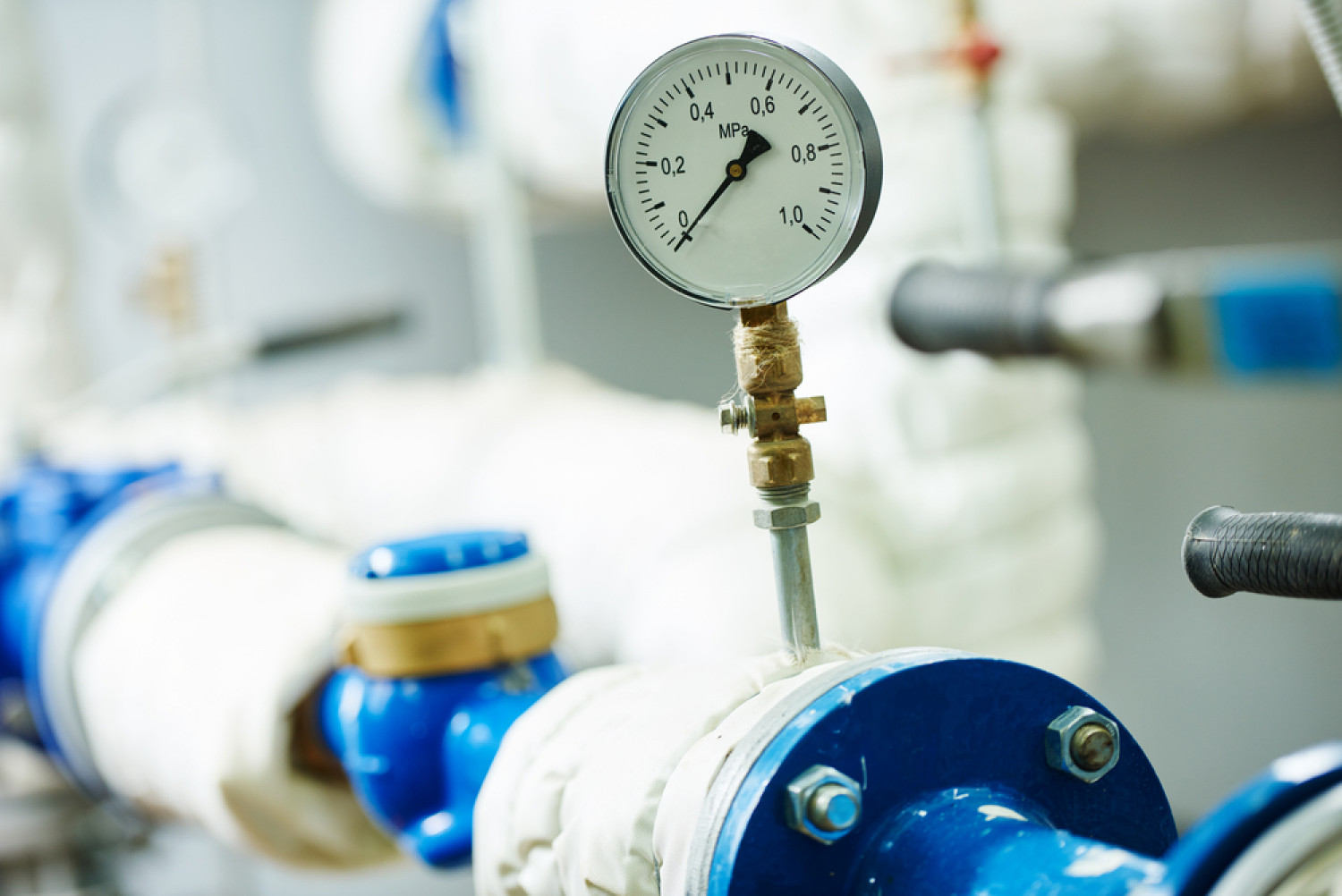
Once installation is complete and pressure tested, appliances ignite reliably, flames burn blue without yellow tipping that indicates incomplete combustion, and you no longer smell the sulfur odorant utilities add to natural gas for leak detection. Pressure gauges confirm flow rates match appliance specifications, and soap bubbles applied to every joint remain stationary instead of inflating from escaping gas.
Leak detection uses handheld sensors that measure gas concentration in parts per million, pinpointing even tiny seepages at threaded fittings or corroded pipe sections. Repairs involve isolating the section, purging remaining gas, cutting out damaged pipe or tightening loose connections, then retesting before restoring service. Gilroy building codes require permits for new installations and final inspections to verify compliance with clearance and venting standards.